

Crown Lifting in Walsall
Midlands Tree Services LTD provides crown lifting in Walsall where lower branches restrict the use of a garden, driveway or managed outdoor space. By assessing the tree and selecting appropriate branches, our tree surgeons can create practical clearance beneath the canopy while retaining its natural proportions. We plan the work around the tree’s condition, the space below it and the result you need.
Get A Free Quote
More Room Beneath Your Tree
Crown lifting concentrates on the lower branches of a tree. The work may involve shortening selected branches or removing suitable smaller ones to provide clearance beneath the canopy. It does not reduce the tree’s height or make the upper crown smaller.
Midlands Tree Services LTD begins by identifying where clearance is needed. That might be over a garden path, alongside a driveway or around an area used by customers or staff. We then consider what can be achieved without leaving the tree poorly balanced. The Arboricultural Association’s tree-work definitions explain why particular care is needed when lifting mature trees with substantial lower branches.
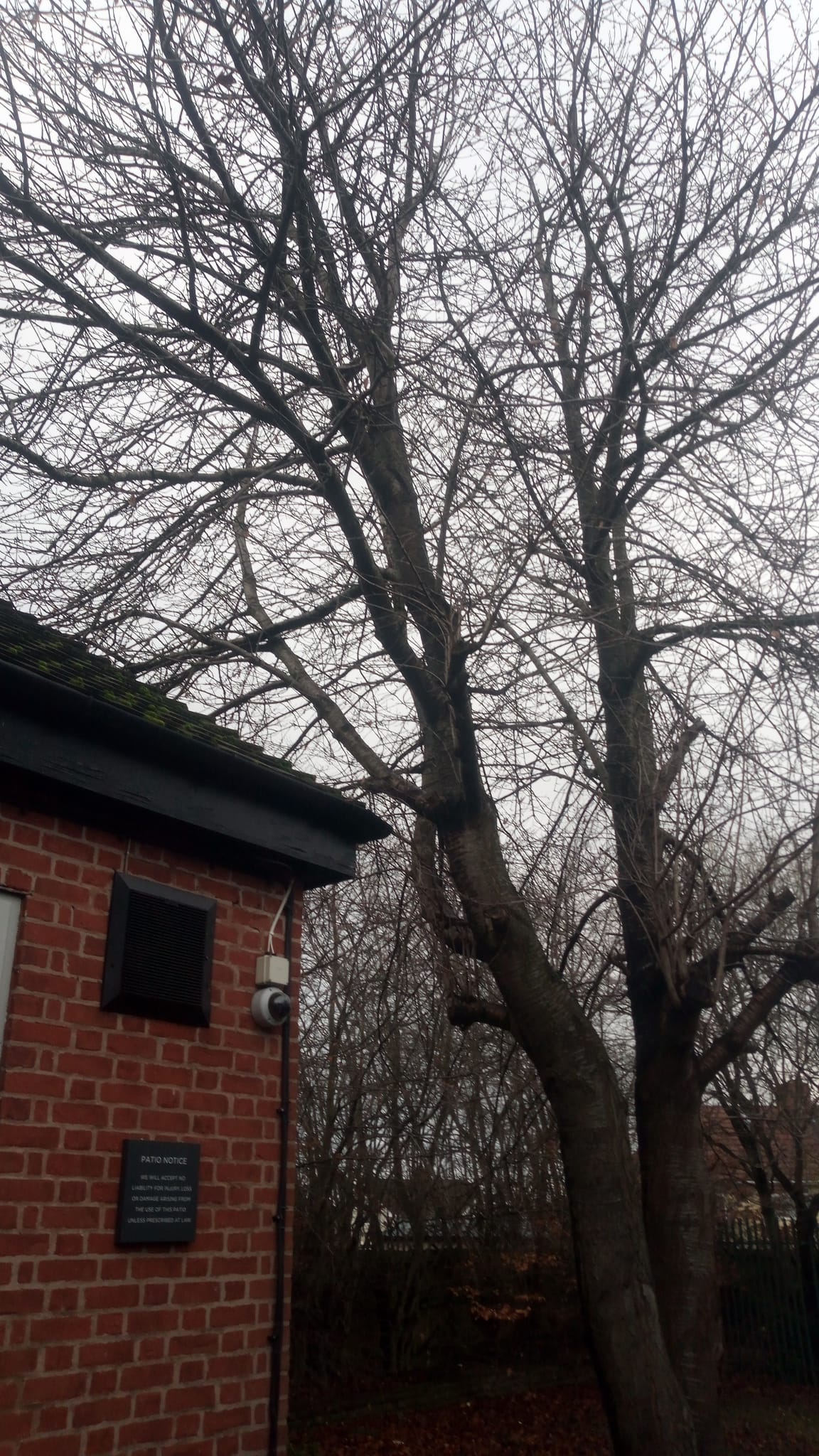
Planning the Right Amount of Clearance
A request to remove “all the low branches” may lead to more cutting than the property or tree requires. We establish which route or area needs improvement and assess the branches affecting it. This allows the proposed work to have a clear purpose and a defined finish.
The height and arrangement of the remaining canopy matter. Excessive lifting can alter a tree’s appearance and create large wounds where major limbs have been removed. A modest lift on one side or selective tree pruning may address the issue more appropriately than raising the entire crown. We explain these options after looking at the tree and its surroundings.
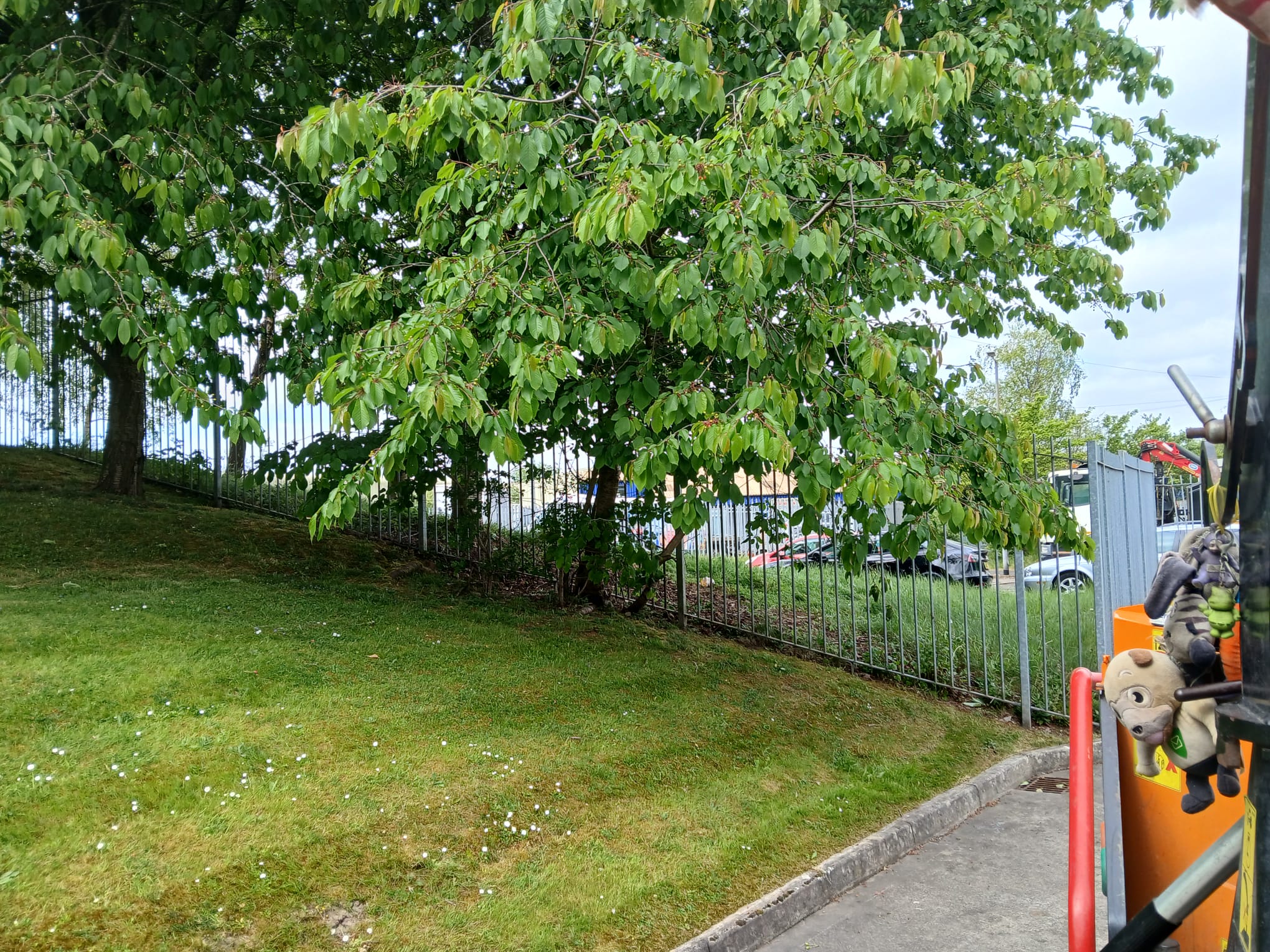
How Crown Lifting Can Improve Outdoor Access
Low branches can make an otherwise useful part of a property awkward to navigate. Creating suitable clearance may make it easier to walk along a path, maintain the ground beneath a tree or use an area beside a building. On commercial grounds, it may also help keep regularly used routes more accessible.
The benefit depends on achieving the necessary clearance without taking more from the tree than its structure allows. Some lower branches can be shortened while retaining part of their growth. Others may be suitable for removal. We assess their size and attachment before recommending a plan, particularly when the tree is mature. The aim is an outdoor space that works better while the tree remains a balanced feature of the property.
How Midlands Tree Services Plans the Work
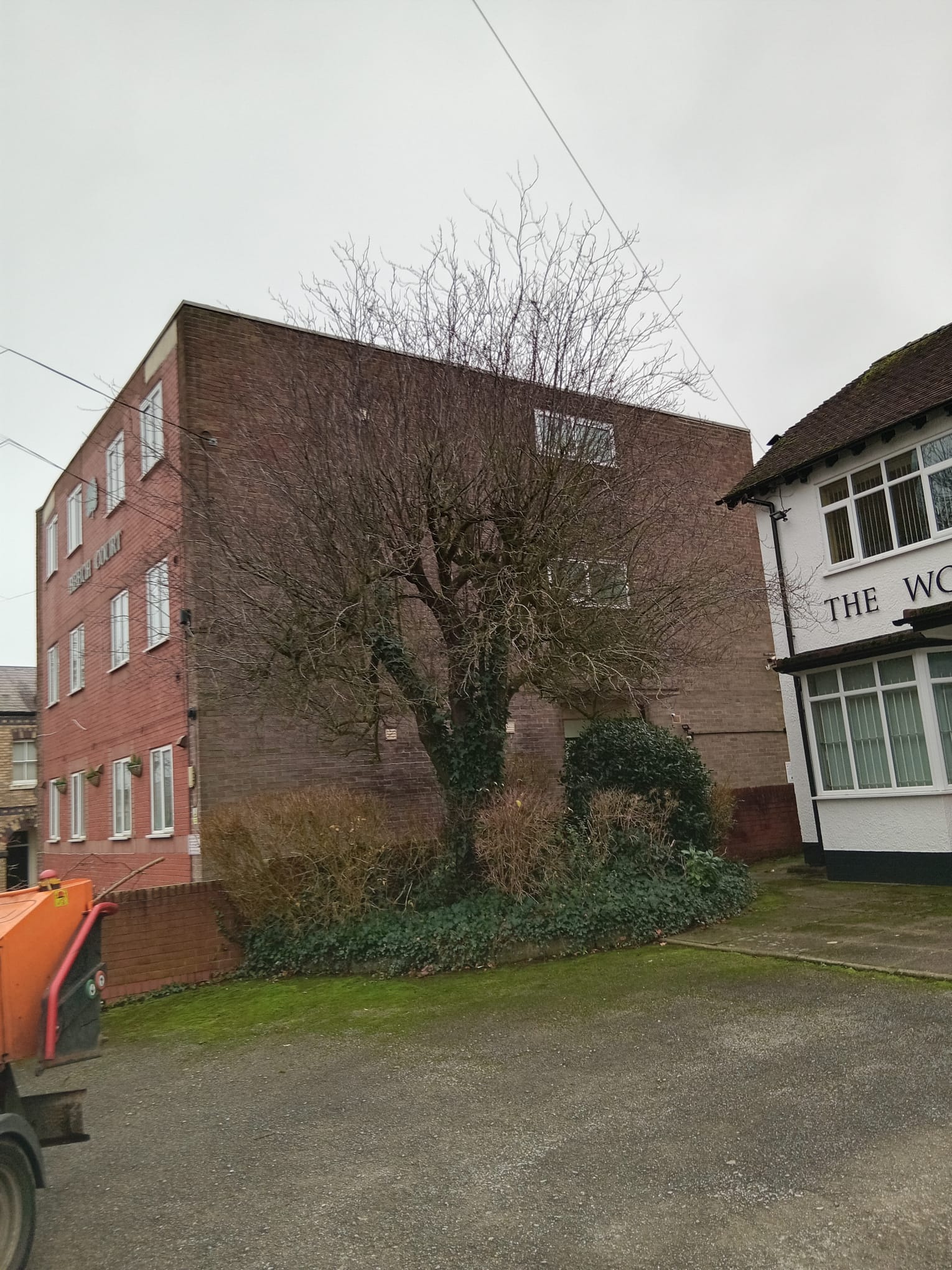
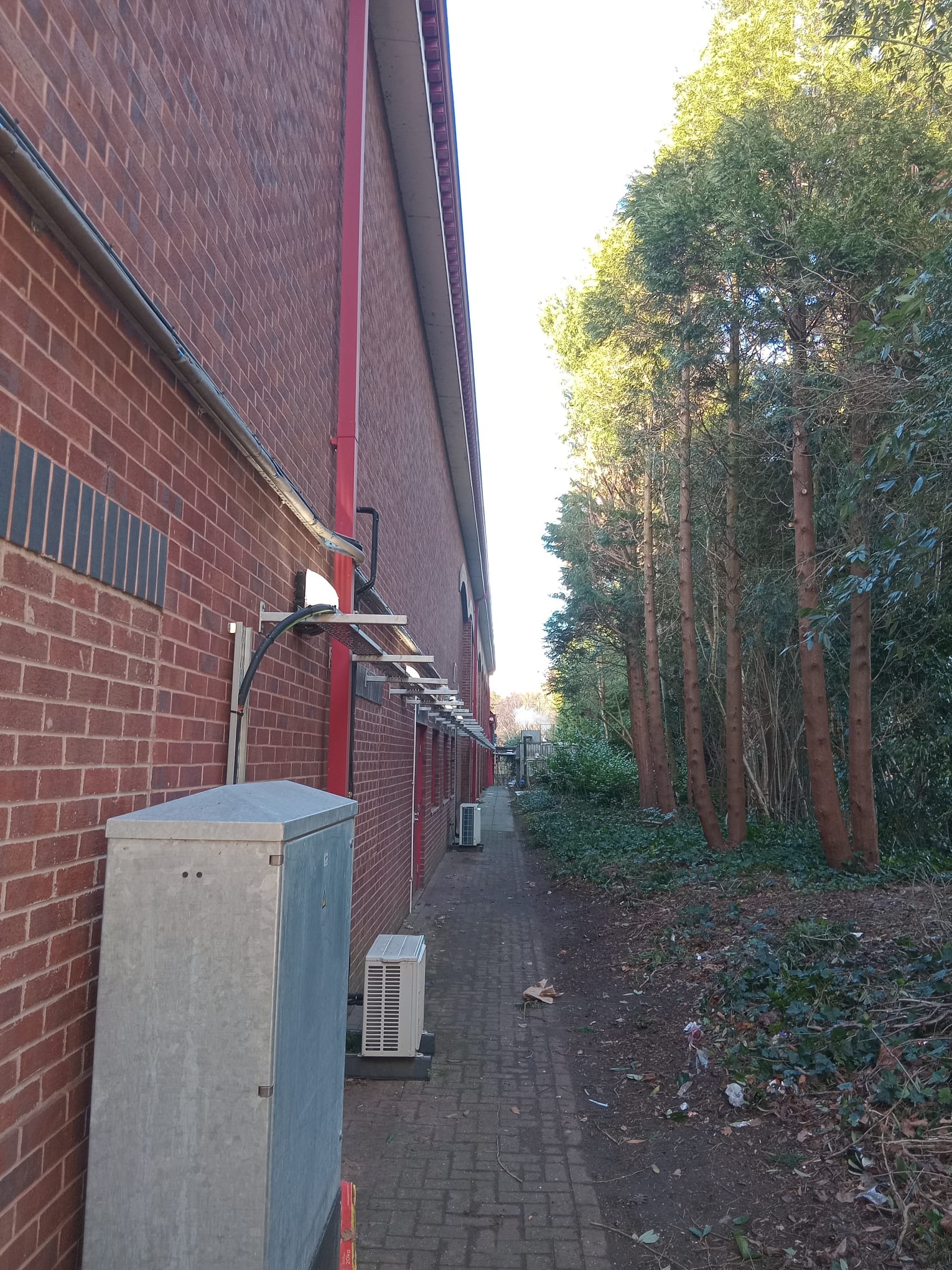
Every crown lifting job starts with a look at the tree and the area beneath it. We discuss the obstruction, assess branch positions and consider how the work can be carried out around nearby buildings, fences, planting and access routes. This helps us recommend specific cuts and explain the expected result before a quotation is agreed.
Our tree surgeons work on domestic gardens and commercial grounds in Walsall. The practical requirements can differ, but the approach remains considered: carry out suitable work, avoid unnecessary removal of live growth and clear the agreed waste afterwards. Learn more about Midlands Tree Services LTD and the services we provide.
Frequently Asked Questions
It may be suitable if lower branches are the reason the path is difficult to use. We look at the route, the height and position of the branches, and how the tree would appear after the proposed work. Clearance may be achieved by shortening selected growth rather than removing every branch above the path. If the obstruction comes from one branch, a targeted pruning operation could be sufficient. We also consider whether the path is on your property and whether people need continued access while work takes place. Describe where you need to walk comfortably when requesting an assessment so we can recommend a defined result.
It depends on the tree’s structure and the branches that would need attention. Large lower limbs on a mature tree can leave significant wounds if removed directly from the trunk. Taking too many may also change the balance and appearance of the canopy. We inspect the tree before recommending a lift and consider whether smaller branches can be removed or larger ones shortened instead. Sometimes the sensible answer is to accept less clearance than originally requested. The Arboricultural Association advises particular restraint with crown lifting on older trees. Our recommendation will reflect the condition of the individual tree rather than a standard height applied to every property.
We start with the reason clearance is needed. The useful height over a garden route may differ from that required for a managed outdoor area, and the tree must be capable of accommodating the proposed work. We identify a clear reference point, usually the ground beneath the relevant branches, and discuss the intended finished space. We then assess the size of the cuts, the amount of canopy that would remain and whether a balanced result is possible. A requested clearance height is not automatically appropriate simply because it can be measured. We explain what the tree can reasonably tolerate before the work is agreed.